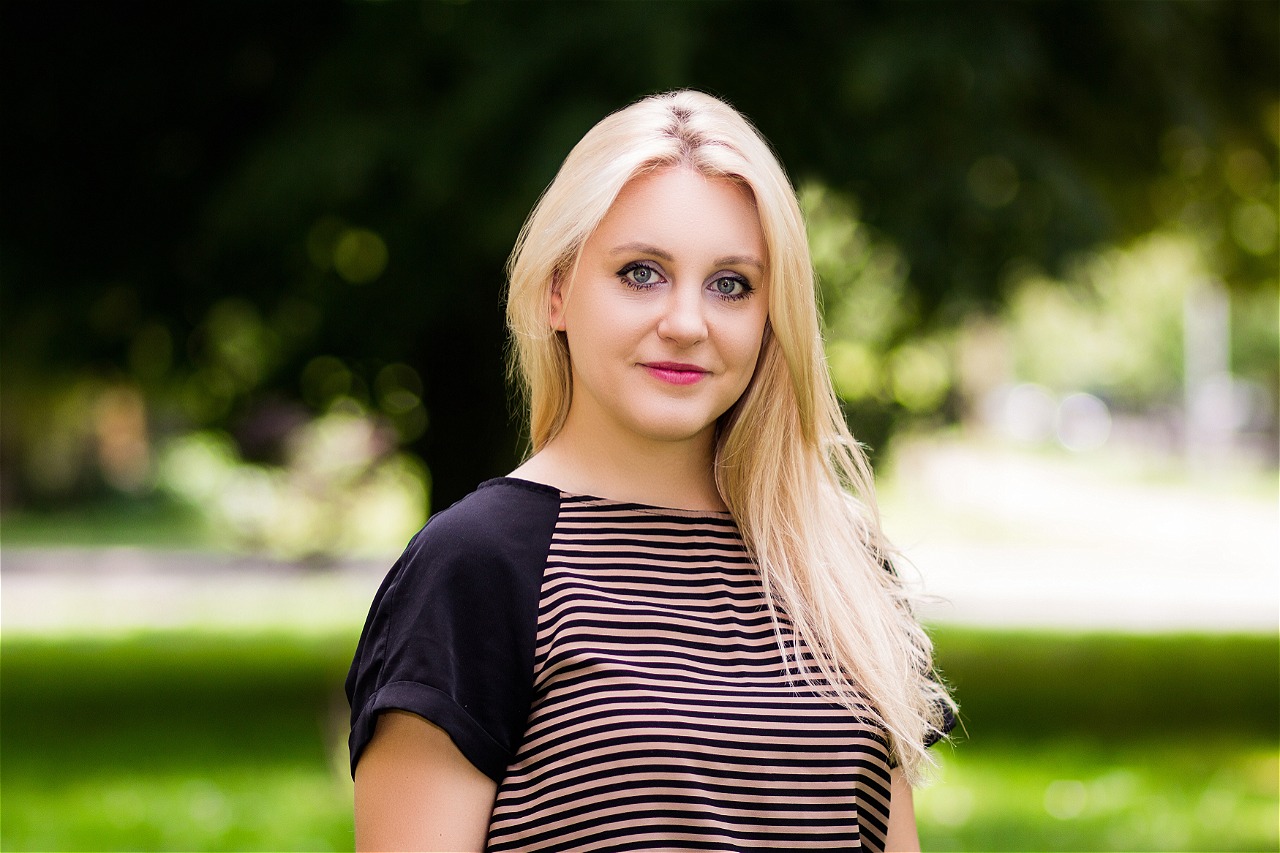
Agnieszka Pikulicka
Journalist
I am a Kazakhstan-based multimedia journalist, podcast host and author with over a decade of experience covering social and political processes, migration and conflict across Europe, Central Asia and the Middle East.
Previously, I was a senior Central and Eastern Europe correspondent with Reuters, an Uzbekistan-based freelance reporter covering Central Asia and Afghanistan, Adjunct Professor at Webster University – Tashkent, and editor with the New Eastern Europe magazine.
My work appeared in various English, Polish and Russian-language media outlets, including The Guardian, Al Jazeera English, Reuters, Foreign Policy, The Associated Press, The Diplomat, and more.
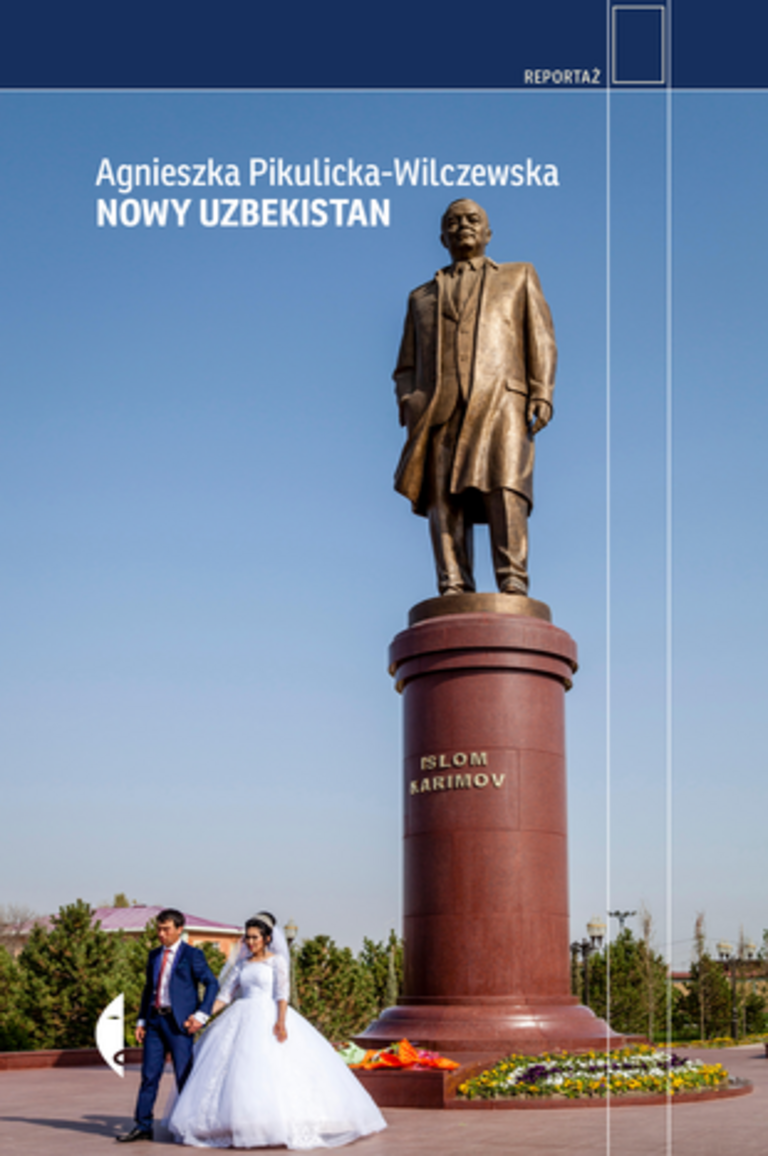
In 2021, after three years of reporting from Uzbekistan, I was declared persona non grata and banned from re-entering. My book titled Nowy Uzbekistan (New Uzbekistan) about my time in the country and the changes that took place since President Shavkat Mirziyoyev took power in 2016 was published in 2023 by the Polish Wydawnictwo Czarne.
In 2025, I decided to return to Central Asia and founded Turan Tales – a podcast and long form newsletter featuring underreported stories from the region. That year, I received a grant from the International Press Institute to produce immersive audio documentaries. You can find them on Substack and most podcast platforms.
In 2025, I have also launched my first journalism course in the Polish language to prepare aspiring journalists for work in the industry.
I hold an double MA degree in International Relations from the University of Kent (United Kingdom) and the Higher School of Economics (Russia), and a BA in International Relations with Politics from the University of Westminster (United Kingdom).
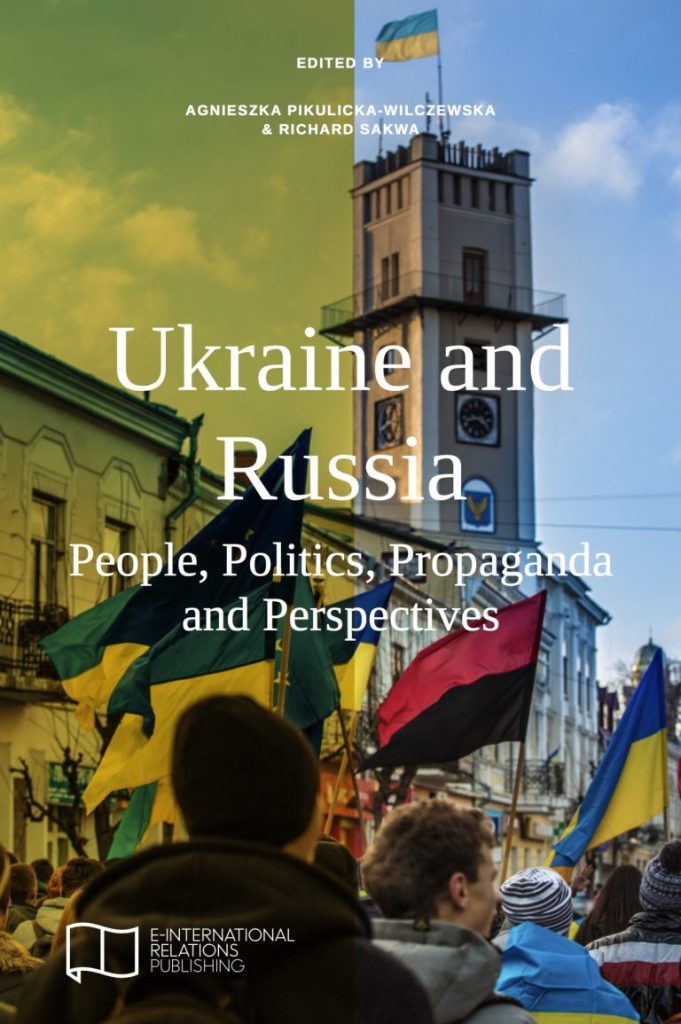
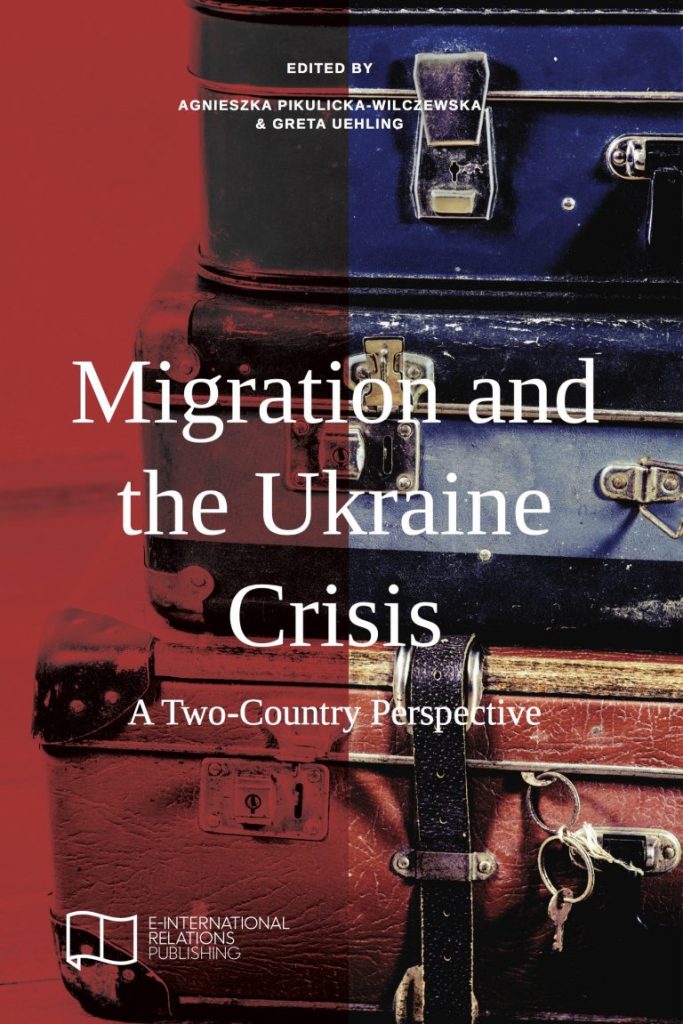
I am also co-editor of two academic publications: Ukraine and Russia: People, Politics, Propaganda and Perspectives (E-International Relations, 2015) and Migration and the Ukraine Crisis: A Two-Country Perspective (E-International Relations, 2017).
Thank you for your interest in my work.
Articles
I have written dozens of articles for various media outlets, including The Guardian, Al Jazeera English, Reuters, Foreign Policy, The Associated Press, The Diplomat, and more. My articles were translated into Russian, Ukrainian, French, Farsi, Japanese and other languages.
I worked in the authoritarian states of Central Asia and Iran, in Afghanistan before and after the United States’ withdrawal, I covered the rise of the far right in Europe, the 2019 Lebanese revolution and the Beirut port blast a year later, the covid epidemic in Europe and Asia, as well as the war of Ukraine and its effects.
Below, you can find a few samples of my work that are close to my heart.
What the trial of two Wagner Group promoters in Poland reveals about Russia’s covert campaign in Europe
Dispatch from Issyk-Kul How nationalizing Kyrgyzstan’s largest gold mine won President Japarov the people’s support (for now)
Journalism courses
My journalism courses prepare aspiring and young journalists to work in the industry. Based on over a decade of experience in journalism as a writer, podcast host and editor, I show how to craft pitches that attract editors’ attention, how to find the right outlets for our ideas, and how to write in an engaging and compelling way. I also prepare journalists to work in the field abroad, and equip them with the knowledge and skills needed to survive as a freelance journalist.If you would like to join my course or invite me to give a masterclass at your institution, please get in touch with me.
Books

Turan Tales is a podcast and long-form newsletter exploring underreported stories of people, politics, and social change in Central Asia. It features a weekly show and monthly immersive audio documentaries taking on stories ranging from bride kidnappings in Kyrgyzstan to Central Asians fighting on Ukraine’s frontlines, and environmental degradation of the Caspian Sea.
Turan Tales was born out of the belief that the region deserves greater international attention, and seeks to break away from the simplistic narratives of mainstream media, which often portray Central Asia as Russia’s or China’s backyard.
It is a unique podcast which combines in-depth regional expertise and journalistic rigour with engaging storytelling. It gives space to untold and often forgotten stories that other media ignore, and allows the audience to dive deep into Central Asia’s past and present.
Listen to some of the episodes that I’m particularly proud of:
You can support Turan Tales by subscribing to our Substack, or by getting a paid membership on Buy me a coffee.
If you want to sponsor Turan Tales or have an idea for a story that we should cover – please do not hesitate to get in touch.
Good education: The rise and fall of Hizmet schools in Central Asia by Agnieszka Pikulicka
They promised world-class education to a region shattered by the Soviet collapse. Twenty years later, Hizmet schools fell prey to Turkey’s internal conflicts - and their own secrecy.
Read on SubstackThe Unlikely mercenaries: Central Asians fighting Russia’s war by Agnieszka Pikulicka
They came to Russia for work, not war. Yet thousands of Central Asian migrants now fight in Ukraine - drawn in by promises, pushed by pressure, and caught in a stark imbalance of power.
Read on SubstackEpisode 27: The Tajik-Afghan borderland - What’s going on and how we got here by Agnieszka Pikulicka
TURAN TALK with Mélanie Sadozaï, a postdoctoral researcher at the University of Regensburg
Read on SubstackEpisode 20: The past and present of US engagement with Central Asia by Agnieszka Pikulicka
TURAN TALK with Daniel Rosenblum, former United States ambassador to Kazakhstan and Uzbekistan
Read on SubstackEpisode 13: Post-Soviet nostalgia and colonial legacy in Central Asia by Agnieszka Pikulicka
TURAN TALK with Selbi Durdiyeva, a decolonial scholar from Turkmenistan, and a teaching fellow at the College of Law, Anthropology and Politics at SOAS, University of London
Read on Substack“Families should be built on love.” The story of a Kyrgyz stolen bride. by Agnieszka Pikulicka
Meerim remembers the price her husband paid for luring her to his house. It was 1964 and her freedom was worth 80 roubles – equivalent to a Sputnik bicycle or, with luck, a pair of black-market jeans.
Read on Substack